For a dense BGA HDI board, compare a staggered microvia escape with the proposed stacked structure before approving the fabrication drawing. The decision depends on the actual pin map, available routing space and evidence for the chosen via construction.
Panasonic's November 13 update confirms that one building at its Taiwan materials site was destroyed. PCB buyers using affected material families should verify approved sources and change-control requirements before altering a build plan.
For a six-layer, 1.6 mm PCB, a custom thin-core stackup may add fabrication cost. Compare stackups before quotation, while keeping electrical and mechanical requirements fixed.
Teradyne’s new inline board-test platform highlights a practical decision for dense robotics and edge-AI PCBAs: agree on test access, coverage and acceptance criteria before releasing the design for assembly.
A 0.4 mm-pitch WLCSP land pattern can leave very little solder mask between adjacent openings. Check the exact package drawing and fabrication limits before approving the PCB layout.
A 24-month OSP shelf-life claim applies to a specific IC-substrate finish under specified storage conditions. Buyers planning WLCSP assembly need a board- and process-specific storage window before scheduling fabrication.
TrendForce estimates growing use of reballed memory in smartphones. For cost-constrained 4G builds, buyers should approve the material condition and verify traceability and reliability evidence before assembly.
A 0.5 mm-pitch package-on-package processor does not automatically require filled via-in-pad. Buyers should compare a validated adjacent-via layout with a filled via-in-pad design before locking the PCB construction and price.
Würth Elektronik’s WE-SLSP series offers a low-profile option for space-constrained data and power interfaces. Its impedance, current rating and resistance vary substantially by part number, so buyers should approve the exact component before releasing a PCBA build.
An X-ray void beneath a QFN thermal pad is not automatically a failed assembly. Buyers should agree on part-specific inspection and thermal requirements before setting a PCBA acceptance limit.
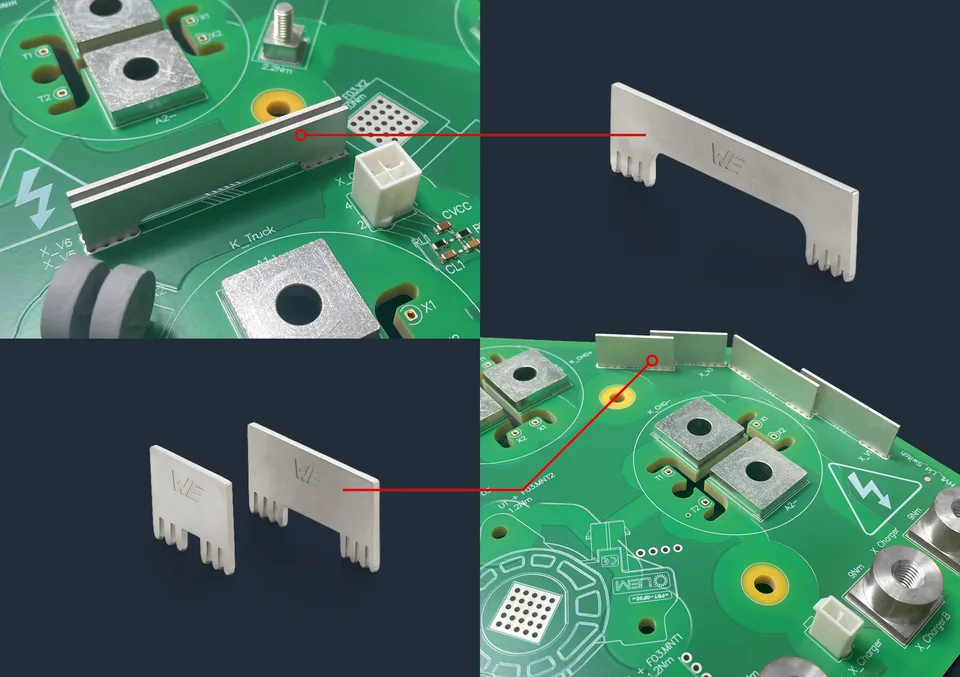
Würth Elektronik ICS has presented a vertical press-fit busbar for localized high-current paths. PCB buyers should compare the complete board and assembly design before treating it as a substitute for heavy copper.
A seven-day assembly slot leaves no time buffer for an MSL 3 IC once its moisture barrier bag is opened. Here is what buyers should confirm before scheduling a consigned-material PCBA build.
TrendForce’s October 29 data shows a divided MLCC market: AI-grade high-capacitance parts remain constrained, while some consumer-grade spot prices have declined. PCBA buyers should verify price changes at the exact BOM-line level instead of accepting a blanket increase.
Murata began mass production of its 1.0 mm × 1.0 mm SWL switched RF coaxial connectors on October 29, 2026. The parts can reduce connector mounting area by about 40% versus Murata’s prior SWJ series, but PCB buyers should freeze the connector, dedicated probe, keep-out and RF test plan as one controlled release.
Infineon introduced 40 V, 80 V and 100 V OptiMOS 7 automotive MOSFETs in the established 10 × 12 mm TOLL footprint. Package continuity may reduce layout disruption, but buyers still need exact-part, thermal, assembly and validation evidence before approving a substitution.
STMicroelectronics says four ISO 26262-compliant combination sensors are now in production in 24-pin, 6 mm × 6 mm QFN packages with wettable flanks. Automotive electronics buyers should lock the exact orderable part and assembly evidence before treating the launch as project-ready supply.
UMC and AP Memory have completed tape-out and initial functional validation of S-SiCap Gen2D silicon-capacitor designs, but system-level performance and reliability testing remains ahead. AI and HPC buyers should revalidate the package-to-board power-delivery design before pricing or releasing the PCB.
Renesas launched its 600 MHz, 22 nm RX74M with MRAM and integrated industrial-networking functions on October 22, 2026. Buyers should compare complete sourced BOM, PCB, software and validation costs before treating that integration as a price saving.
TrendForce's October 21 market bulletin reports tight DDR5 spot availability and wider fourth-quarter DRAM price increases. The signal matters to PCB assembly projects that buy affected memory, but it does not imply a blanket increase in bare PCB prices. Buyers should isolate the memory line in a quote and confirm the exact part, channel and price validity.
IEC 61760-1:2026 changes the SMD specification baseline in areas including assembly classification, insulation coordination, low-temperature solder, cleaning, vacuum resistance and rework. PCBA buyers should map these areas to exact BOM parts and documented assembly processes instead of treating the standard as a blanket supplier credential.
IEC PAS 63720:2026 introduces standardized, pitch-linked routing parameter tables for rigid boards with mechanically or laser-drilled vias. PCB buyers can use the framework to improve design-to-factory communication, but it does not replace IPC performance classes, build-specific DFM or contractual acceptance criteria.
The EU Forced Labour Regulation will apply from 14 December 2027, including to products already made but still offered after that date. PCB and PCBA buyers should start building product-linked, multi-tier supply-chain evidence now.
TOPPAN and Broadcom-backed Advanced Substrate Technologies opened Singapore’s first high-end FC-BGA substrate facility in September 2026, with TOPPAN stating that production is scheduled to begin in December. For electronics buyers, the announcement is an important upstream capacity signal, not proof that a specific processor package, high-speed PCB or PCBA will become immediately available. This article explains how to separate package-substrate capacity from system-board capacity and gives procurement teams a practical qualification checklist for 2027 builds.
IPC-TM-650-2.2.23 introduces a standardized non-contact 3D method for measuring metallic-foil surface topography. High-speed PCB buyers can use it to make copper-profile data more comparable, but they still need project-specific limits, lot traceability, substitution control and electrical validation.
IPC-6013F is the new qualification and performance specification for flex and rigid-flex printed boards, replacing Revision E. Buyers should treat adoption as a controlled specification change: define applicability, run a gap review, align drawings and purchase orders, and agree qualification evidence and the effective production lot before release.
SEMI’s 2026 Semiconductor Supply Chain Survey reports average lead times of 16.4 weeks, 27% above historical norms, even while downstream OEM inventories are above target. This article explains why those signals can coexist and gives overseas PCBA buyers a practical method to segment BOM risk, validate alternates, align PCB release dates with component readiness, and ask more precise RFQ questions for 2027 programs.
India’s Electronics Component Manufacturing Scheme is creating a credible new pipeline for multilayer PCB, HDI PCB and copper-clad laminate capacity. However, government approval, aggregate investment and even plant-level production status do not prove that a source is qualified for a buyer’s exact stack-up, material system, quality requirements or delivery window. This article gives overseas PCB and PCBA buyers a practical stage-gate checklist for evaluating new regional capacity without weakening engineering or supply-chain controls.
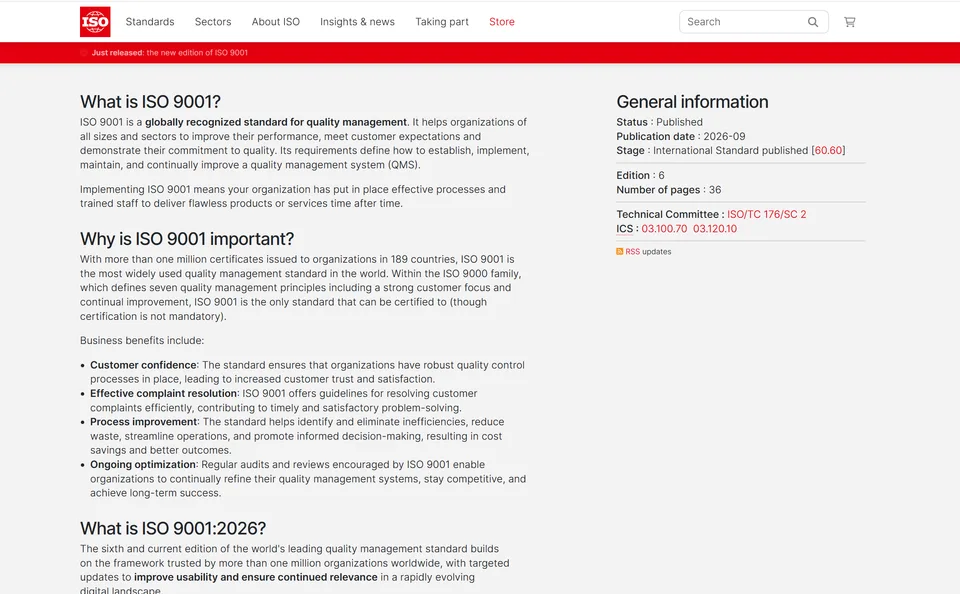
ISO 9001:2026 has replaced the 2015 edition, but buyers should not automatically reject a PCB supplier whose valid certificate still names ISO 9001:2015 during the transition period. The better response is to verify certificate scope and accreditation, ask for a dated transition plan, and audit the controls that protect the actual PCB or PCBA order. This guide turns the new standard into a practical sourcing checklist while clearly separating published ISO facts, procurement analysis, and JETFGO information already available on its website.
EU market surveillance results published on June 18, 2026 found that 91 of 173 sampled low-cost electronic products failed laboratory or documentation and marking checks, with elevated lead and cadmium most often detected at solder points. This article turns that finding into a practical, build-specific RoHS evidence checklist for overseas PCBA buyers while explaining the limits of a generic supplier declaration.
The European Commission adopted its 2026 update to the EU dual-use control list on September 14, adding new controls that include certain advanced computing ICs and electronic assemblies. This buyer-focused guide explains why the change does not make every PCB or PCBA controlled, what to verify at BOM level before quoting, and why the final Official Journal text and effective date must be checked before shipment.
North America's PCB and PCBA manufacturing markets are showing a surprising contrast. PCB shipments are growing strongly, new PCB orders have pulled back, and EMS bookings continue to surge. The latest industry data suggests that the challenge for Q4 2026 may be less about overall demand and more about converting orders into reliable, on-time production.
The September 2026 ISM Manufacturing PMI report lists printed circuit boards, copper and electronic components among items in short supply, while its Prices Index rose to 77.9 and supplier deliveries remained slow. This article explains what those signals do and do not mean for global PCB and PCBA buyers, then provides a practical RFQ and order-release checklist for managing availability, quotation validity and unauthorized substitutions.
Over the past 24 hours, the global PCB industry continues to show strong structural growth driven by AI servers, high-speed networking, and advanced communication infrastructure. Leading CCL suppliers including Taiwan-based Elite Material, ITEQ, and Taiwan Union Technology reported significant September revenue growth, reflecting strong demand for high-performance materials. Meanwhile, copper prices remain at historically high levels, with LME copper reaching around USD 14,430/ton on October 5. The industry is increasingly focused on advanced materials, supply stability, and capacity expansion rather than traditional volume growth.
Low-Dk and low-CTE electronic glass-fibre materials have become a practical sourcing risk for some high-performance PCB programs. Before releasing a build, buyers should define the approved material system, request a material-status check, and agree on a controlled change process—not assume that a generic FR-4 callout is interchangeable.
As of October 5, 2026, the latest PCB industry signals point to continued structural strength in high-end materials rather than a broad-based PCB price increase. Nanya Plastics reported further expansion of high-end CCL capacity, with approximately 300,000 sheets per month of additional capacity and M6-M8 products entering shipment, while CCL prices increased approximately 3%-5% per month in August and September, with some products rising 5%-10%. Copper remained elevated at RMB 111,413.33/ton on October 5. Meanwhile, AI servers, high-speed networking, advanced packaging and semiconductor demand continue to support higher-performance PCB materials and supply-chain investment.
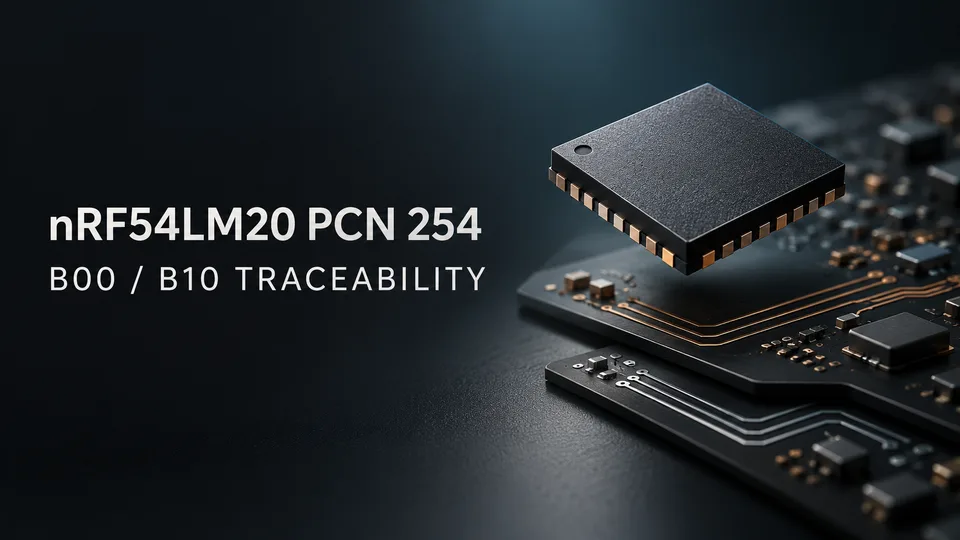
Nordic Semiconductor PCN 254 introduces an alternate substrate core material and mold compound for nRF54LM20A-PAAA and nRF54LM20B-PAAA. The B10 build can become active on December 21, 2026, while the current B00 build may continue in parallel under the same ordering codes. This article explains the facts, the buyer decisions the notice does not make, and a practical receipt-to-production traceability plan for PCB assembly programs.
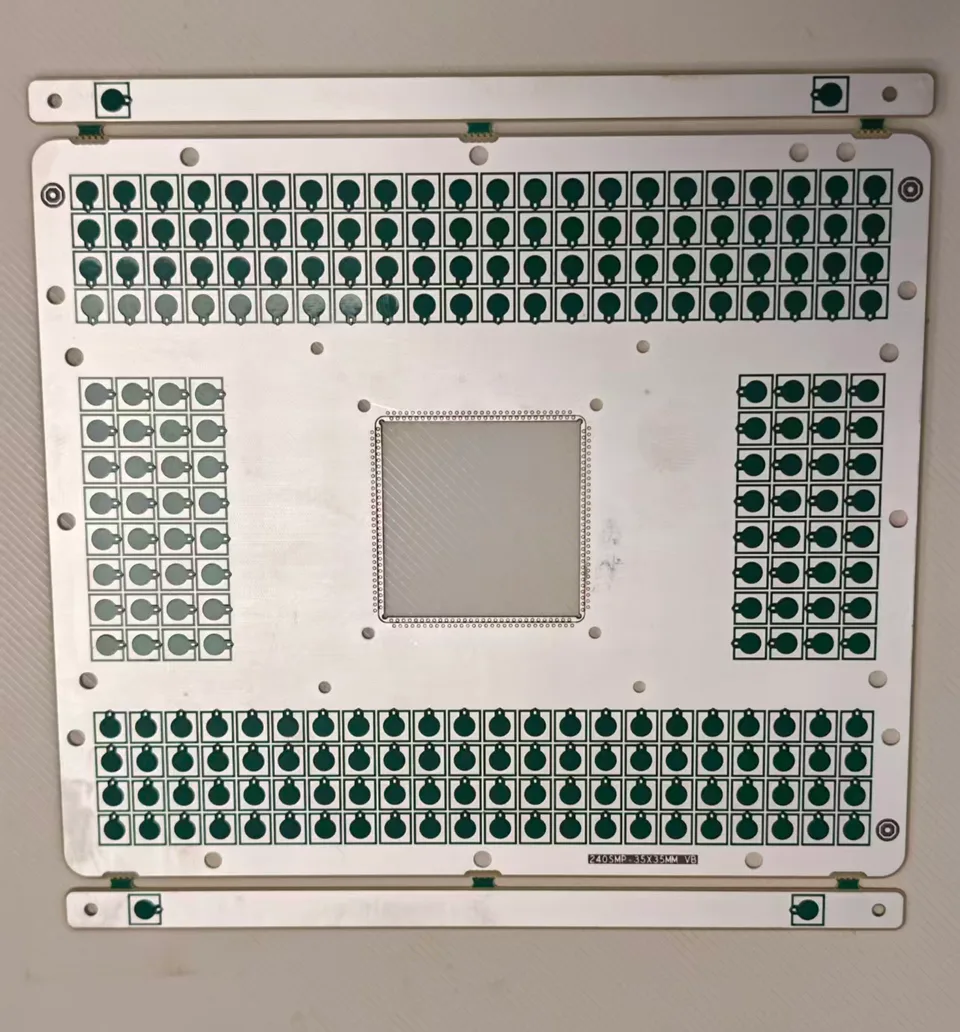
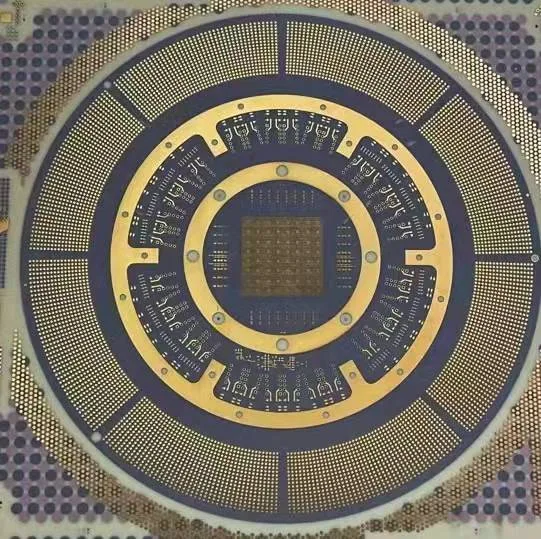
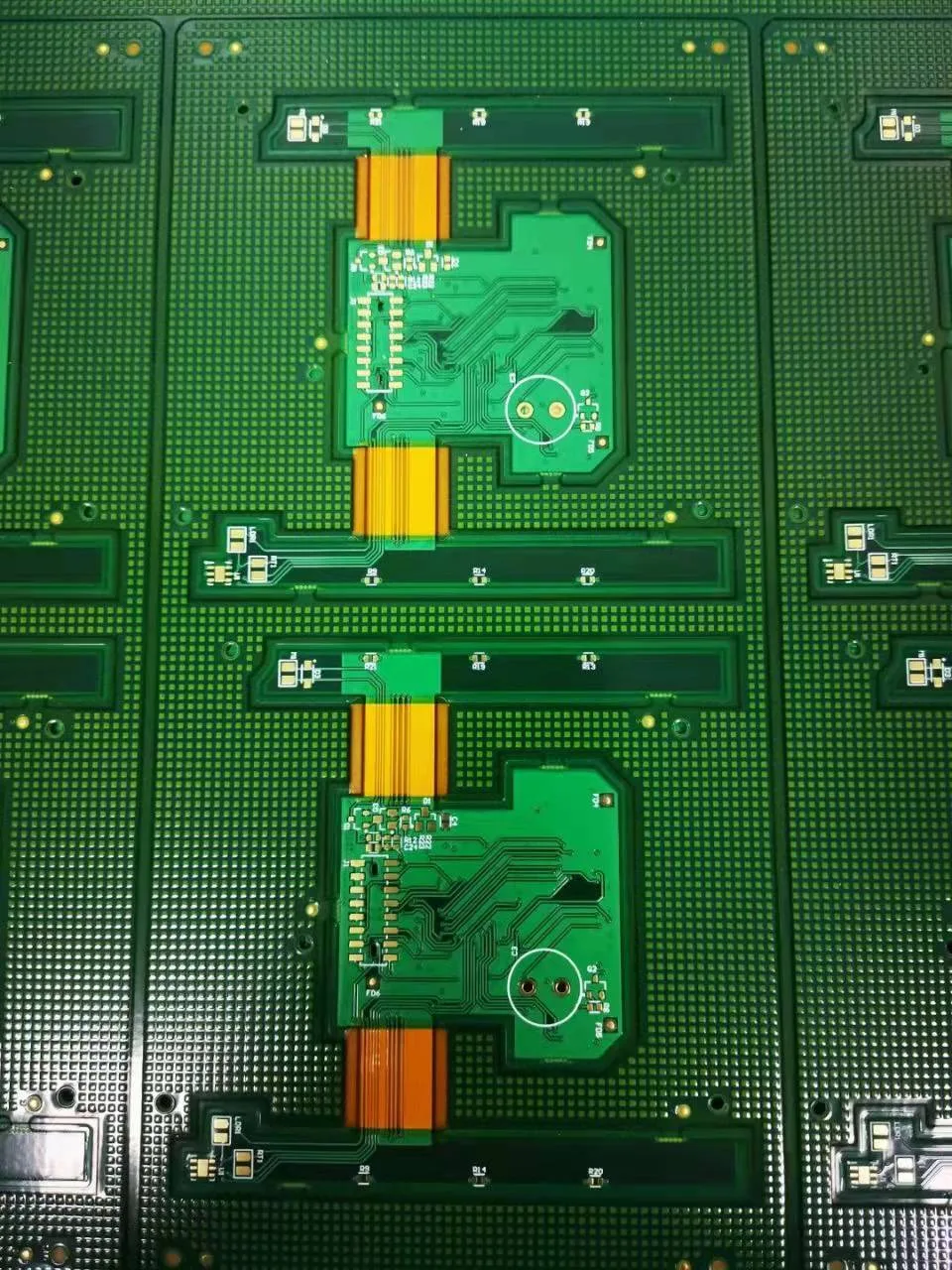
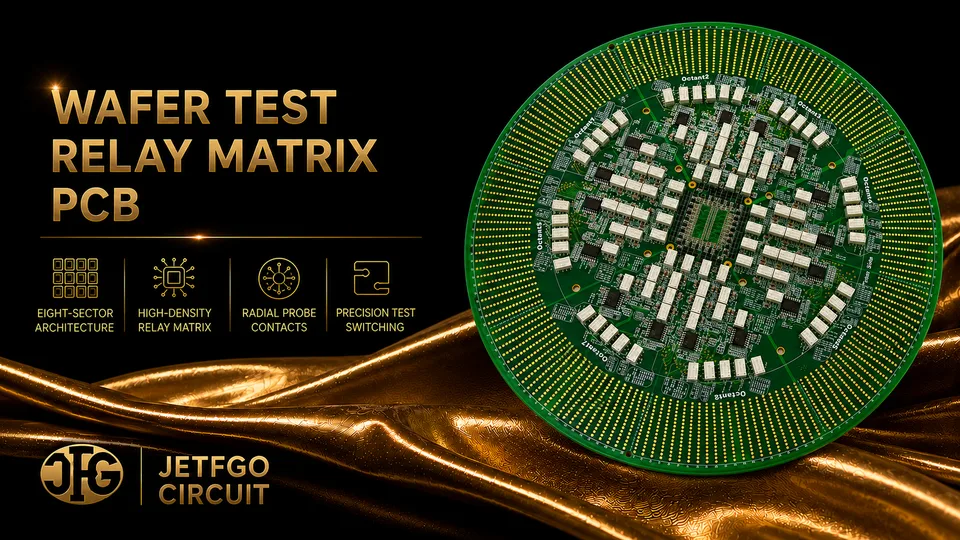
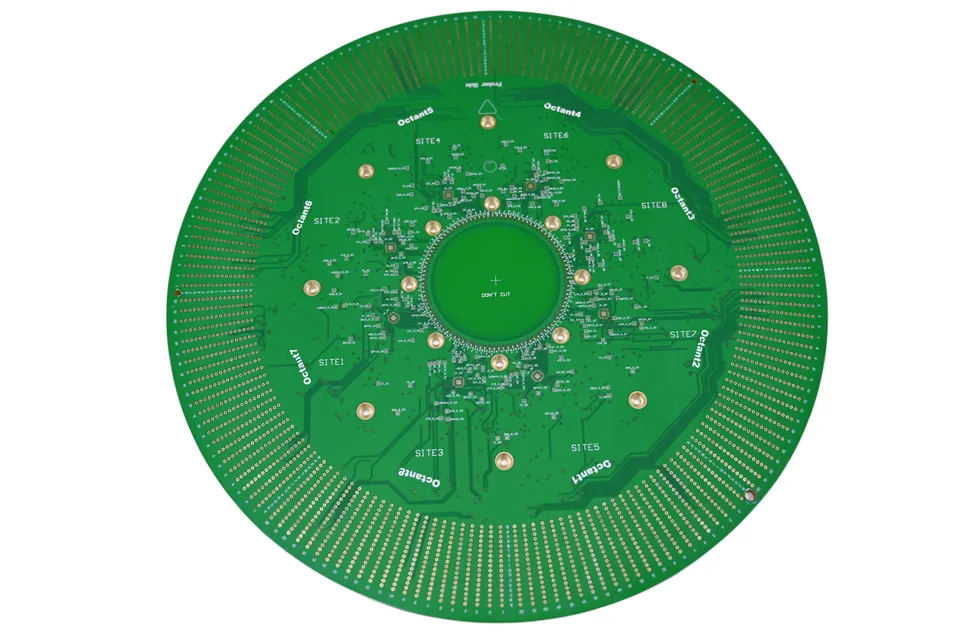
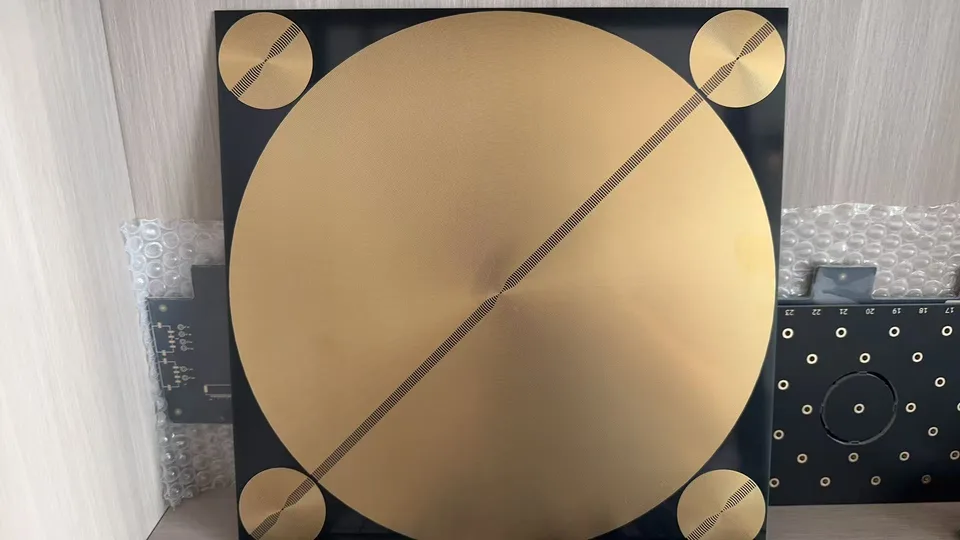
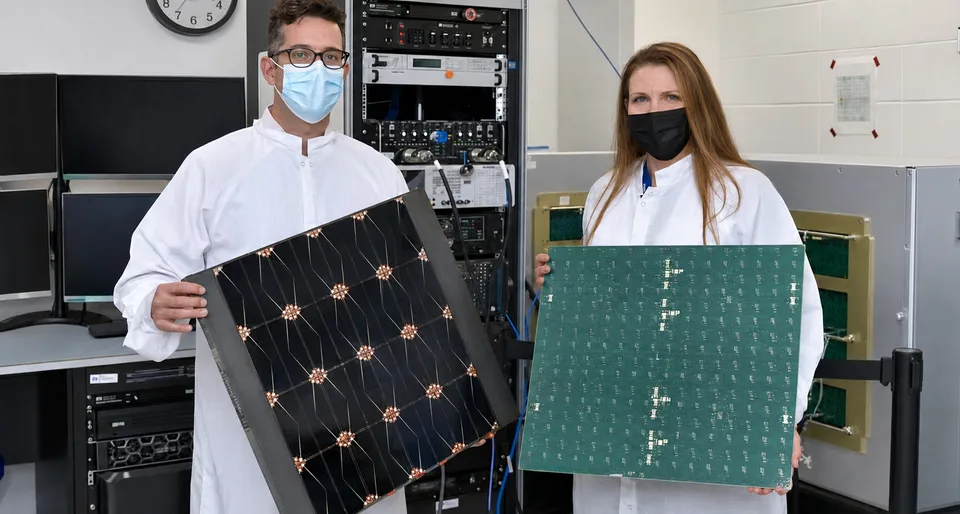
This large-format PCB integrates one primary circular planar coil and four auxiliary coil areas within a single board structure. Its densely arranged concentric traces require close control of conductor geometry, spacing consistency and large-area pattern registration.
The exact application and electrical specifications are defined by the customer’s design and are not disclosed in this product showcase.
Bourns Product Change Notification N2649 covers seven CSS2H-2512K-5L00x and CSI2H-2512K-5L00x current-sense resistor orderable part numbers. Bourns says deliveries from the current supplier will cease on November 18, 2026, and deliveries using the new qualified supplier and a different Fe-Cr resistive alloy will begin on November 19. The manufacturer states that form, fit, function, quality and reliability are unaffected, while also recommending application-specific testing. PCBA buyers should therefore match the exact BOM numbers, request samples and the qualification report, define risk-based validation, and preserve date-code traceability before approving post-change lots.
NXP’s official discontinuation notice lists 65 Radio Power orderable part numbers with a last-time-buy date of September 30, 2026. Every listed item is marked Full Withdrawal, Limited Availability and Sole Source, and the notice lists no replacement part. PCB and PCBA buyers should check exact BOM orderable numbers immediately, confirm remaining lifetime demand and authorized-channel availability, and open a controlled redesign and requalification path wherever a last-time buy cannot safely cover the product lifecycle.
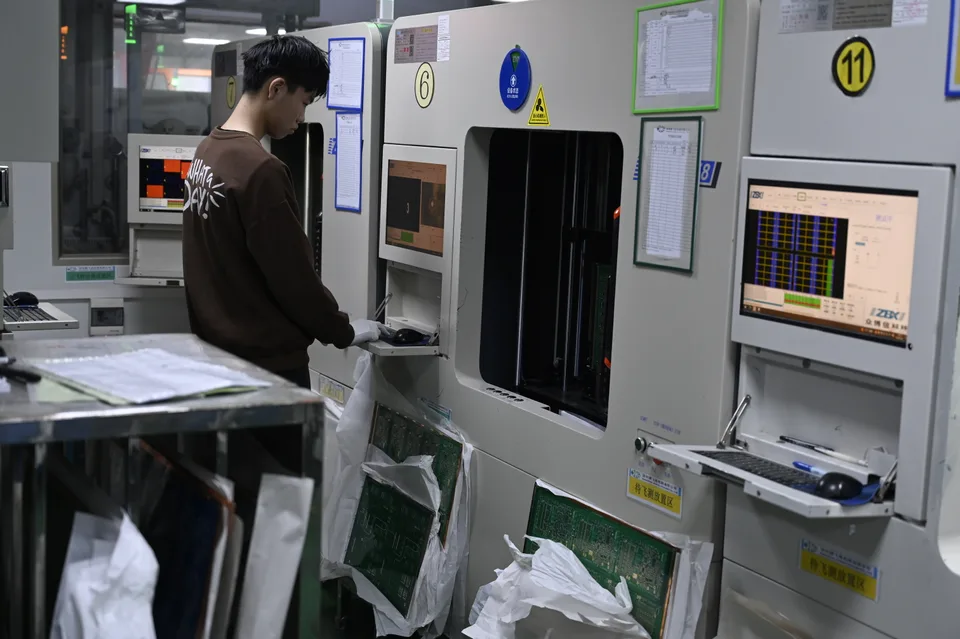
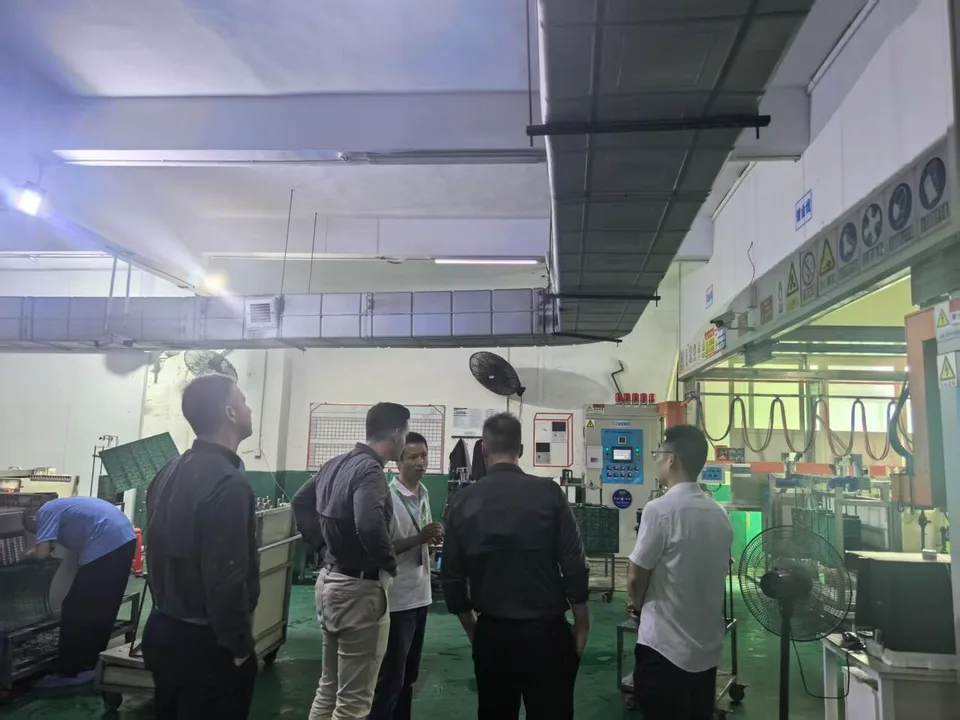
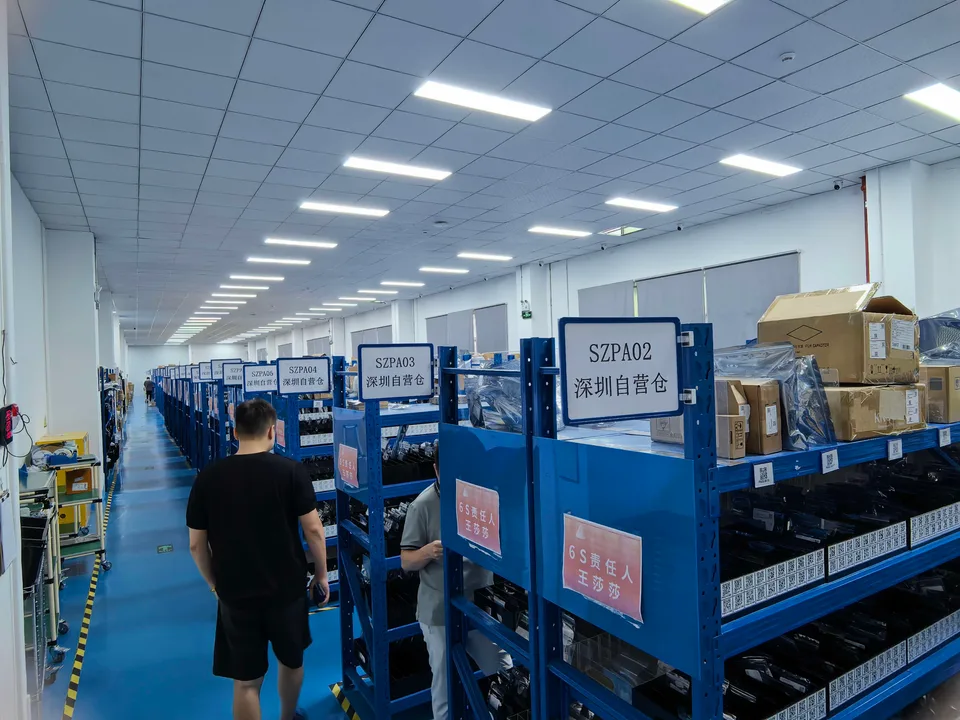
A German customer team recently completed their fifth factory audit at JETFGO’s Shenzhen manufacturing facility within one year. Instead of making a decision based only on quotation or short-term cost, the team focused on a comprehensive evaluation of production capability, quality control systems, engineering support, and long-term supply reliability. After multiple rounds of verification and technical discussions, the customer decided to move forward with JETFGO for volume PCB orders and future cooperation. This milestone reflects the importance of transparency, consistency, and trust in building long-term PCB manufacturing partnerships.
The global PCB industry is entering a new stage where growth is increasingly concentrated in high-performance materials and advanced manufacturing technologies. While no major PCB manufacturers announced new industry-wide price increases within the past 24 hours, the latest market data continues to show strong demand from AI servers, high-speed networking and advanced computing applications. High-end CCL, low-loss laminates, HVLP copper foil and advanced glass fabric are becoming critical supply-chain factors. At the same time, elevated copper prices continue to influence PCB production costs, especially for high-layer-count and AI-related PCB applications.
The latest PCB industry data for September 26, 2026 points to a widening gap between conventional PCB products and high-end applications tied to AI infrastructure. TPCA data shows strong growth in multilayer PCBs, HDI and IC substrates, while Thailand reported a 126.8% year-over-year increase in printed circuit exports in August. Copper prices also remain near historically high levels, keeping pressure on copper foil, CCL and copper-intensive PCB products. Heading into Q4 2026, material availability, technical capability and lead-time control are becoming increasingly important for high-layer-count, high-speed and AI-related PCB sourcing.
The PCB market is entering Q4 2026 with a clearer split between standard printed circuit boards and high-performance products used in AI servers, data centers and high-speed networking. Demand for high-layer-count and low-loss PCBs remains strong, while copper prices, CCL, prepreg and other critical materials continue to create cost pressure. For PCB buyers, the more useful question is no longer whether all PCB prices will increase, but whether a specific project depends on materials, processes or manufacturing capacity that are becoming more expensive or more difficult to secure.