
Automotive PCB manufacturing requires more than electrical performance alone. Process consistency, material control, traceability, inspection records and repeat-order stability are also important when boards are used in vehicle control, sensing, power and communication electronics. JETFGO operates under an IATF 16949:2016 quality-management system for automotive-related PCB manufacturing. Project requirements are reviewed together with the PCB stack-up, materials, copper construction, impedance, reliability expectations, inspection plan and documentation requirements before production. The manufacturing and inspection route may include incoming material verification, lot and process traceability, AOI, electrical testing, impedance verification and other project-specific quality controls. IPC Class 2 or Class 3 workmanship requirements can be reviewed according to the customer specification and application needs. For automotive PCB projects, repeatability is particularly important. Approved materials, fabrication parameters, inspection records and engineering data should remain controlled so prototype, validation and repeat production can follow a consistent manufacturing route. For engineering review, provide Gerber or ODB++, drill files, proposed stack-up, fabrication drawing, quantity, target delivery date and any automotive, IPC, impedance, traceability or documentation requirements. Published capability information is provided for initial selection. Final materials, process controls, inspection requirements and manufacturing feasibility are confirmed through the complete data package and project-specific engineering review.
Published limits are drawn from JETFGO’s current capability chart. Final feasibility depends on the complete data package and engineering review.Automotive PCB Manufacturing under IATF 16949
An IATF 16949-based automotive PCB manufacturing path for vehicle control, sensing and power electronics, with documented process control, traceability and inspection.
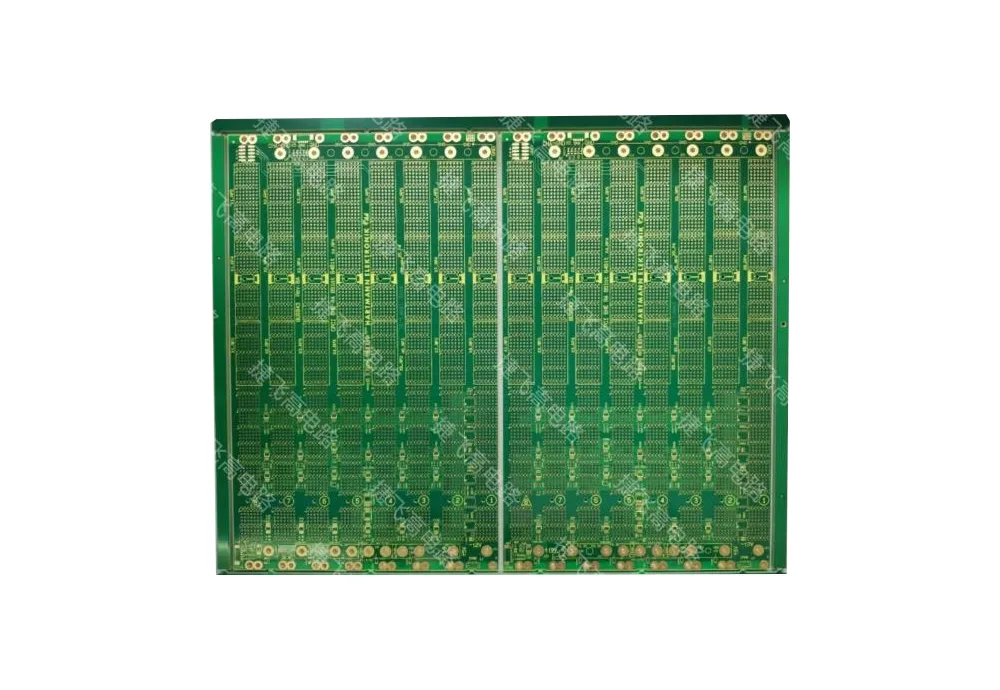
Engineering answer
Verified process window
An IATF 16949-based automotive PCB manufacturing path for vehicle control, sensing and power electronics, with documented process control, traceability and inspection.
Quality Management System
IATF 16949:2016
IPC Workmanship Review
Class 2 and Class 3, subject to project requirements
Inspection Path
AOI · electrical test · impedance verification
Traceability Review
Material · lot · process · inspection records
Repeat-Production Control
Approved materials · process parameters · engineering records
Automotive DFM Review
Stack-up · materials · impedance · inspection · documentation
Files for a useful review
Gerber or ODB++, drill files, proposed stack-up, fabrication drawing, quantity, target delivery date and any automotive, IPC, impedance, traceability or documentation requirements.
Specify required IPC workmanship class, AOI, electrical test, impedance verification and any project-specific inspection or acceptance criteria.
Provide any required material, production-lot, process-record, inspection-record or shipment traceability requirements.
Provide approved materials, stack-up, copper weights, finished thickness, impedance requirements and any restricted or customer-specified material requirements.
Identify any approved-material, process-consistency, revision-control or repeat-order documentation requirements that must remain controlled between production lots.
Technical questions
Published limits are drawn from JETFGO’s current capability chart. Final feasibility depends on the complete data package and engineering review.
01What does IATF 16949 mean for automotive PCB manufacturing?+
IATF 16949 defines an automotive quality-management framework focused on process control, defect prevention, consistency and continual improvement. For PCB projects, individual product requirements are still confirmed through the customer specification and engineering review.
02Which files help JETFGO review an automotive PCB project fastest?+
Send Gerber or ODB++, drill files, proposed stack-up, fabrication drawing, quantity, target delivery date and any automotive, IPC, impedance, traceability, inspection or documentation requirements.
03Can JETFGO support automotive PCB prototypes and repeat production?+
Yes. Once the materials, stack-up, inspection plan and manufacturing conditions are approved, the engineering record can support prototype validation and controlled repeat production under the same defined process requirements.
04Is every PCB produced under IATF 16949 automatically automotive qualified?+
No. IATF 16949 applies to the quality-management system. Final product qualification depends on the customer specification, PCB design, materials, workmanship class, inspection requirements and any application-specific validation criteria.
05Can JETFGO review IPC Class 3 requirements for automotive PCBs?+
Yes. Automotive PCB projects requiring IPC Class 3 workmanship can be reviewed. Final process controls, inspection criteria and acceptance requirements are confirmed according to the complete project specification.
06What traceability can be reviewed for automotive PCB production?+
Traceability requirements may include material information, production lots, manufacturing records, inspection results and shipment records, depending on the customer specification and project requirements.
07How is automotive PCB quality verified?+
The control plan may include incoming material checks, AOI, electrical testing, impedance verification, process records and project-specific inspection requirements before shipment.
08Can JETFGO maintain the same PCB process for repeat automotive orders?+
Approved engineering data, material selections and manufacturing parameters can be controlled for repeat production. Any design, material or process change should be reviewed before implementation.
Discuss your next order directly with our factory.
Send the Gerber or ODB++, stackup, material, quantity, target date and test requirements. Our team will review feasibility and return a technical quotation for the order you manage.